Parent guide
Does my child have ADHD?
When a child seems highly distracted, restless, impulsive, or struggles at school, questions about ADHD or attention difficulties may arise quickly.
These signs deserve to be taken seriously when they persist, recur, and interfere with daily life, but they are never enough to reach a conclusion.
This page offers informative insights to help parents organize observations and understand possible next steps.
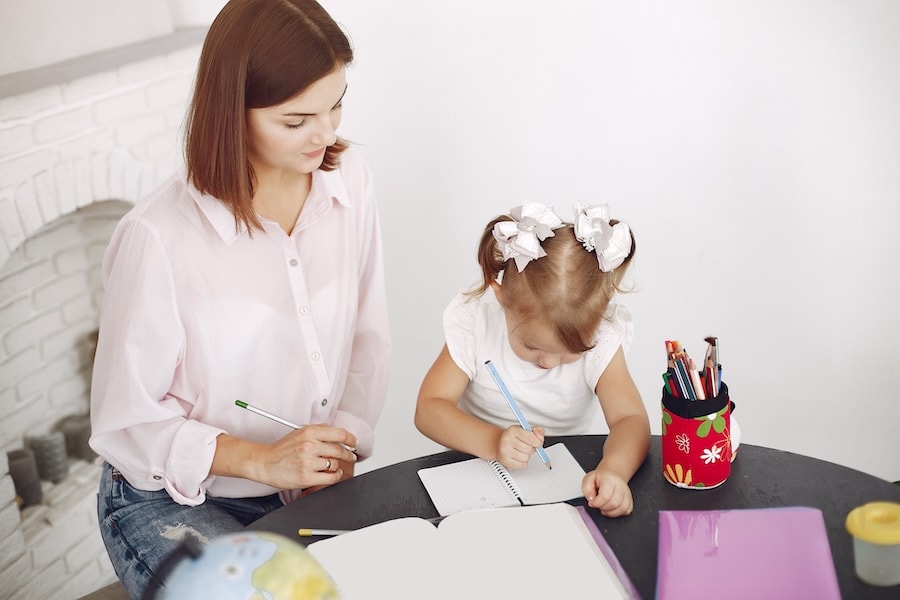
Child ADHD: useful insights
Observing, taking notes, and asking for advice often help you move forward with more nuance.
Which signs of attention difficulties might raise the question?
In children, certain behaviors may draw parents' or teachers' attention: difficulty staying focused, frequent forgetfulness, restlessness, impulsivity, difficulty waiting, or trouble finishing a task.
These manifestations may be more visible during homework, long instructions, transitions, quiet activities, or group situations.
What matters is not an isolated behavior, but whether it is persistent, recurring, disruptive, and present across several areas of life. This careful approach avoids confusing lasting attention deficits with temporary difficulties.
Why should you avoid drawing conclusions too quickly?
Many factors can resemble attention difficulties. This is one reason a diagnosis cannot be established from an online questionnaire or a quick observation.
Sleep and fatigue
Lack of sleep, an irregular routine, fatigue, or late-night screen use can affect attention and tolerance for frustration.
Apprentissages
Dyslexia, language disorders, comprehension difficulties, or school overload can give the impression of unstable attention.
Emotional context
Anxiety, family events, bullying, self-esteem, or relationship tension can appear as restlessness or withdrawal.

Preparing for the conversation
Concrete examples help the professional understand what happens in everyday life.
What can a parent observe before seeking advice?
Before a consultation, it can help to note the specific situations in which difficulties arise: homework, sleep, school, extracurricular activities, meals, transitions, or relationships with other children.
Information from school can also be valuable because it shows whether difficulties occur in a setting beyond home.
Useful questions to prepare
A short, factual list is often more useful than a conclusion. It helps the professional assess the situation carefully.
- how long difficulties have been present
- in which settings they appear
- what worsens or eases them
- their impact on school, family, or social life
- other possibilities already considered
A possible approach
01
Observer
gather concrete examples without trying to reach a conclusion alone
02
Consult
talk with the pediatrician, primary care physician, or a trained professional
03
Coordonner
involve the school and specialists supporting the child if needed
Who can support the process?
The process depends on age, context, the intensity of difficulties, and locally available resources.
Pediatrician or physician
They listen to the concern, investigate possible causes, assess the impact, and can suggest an appropriate referral.
Psychologist or neuropsychologist
They can help understand learning, attention, executive functions, and support needs.
Specialist professionals
Depending on the situation, a speech-language pathologist, psychomotor therapist, occupational therapist, child psychiatrist, or pediatric neurologist may be involved.
Expected behavior, a temporary difficulty, or a lasting disorder?
Attention, activity, and impulse control change with age. A difficulty needs to be compared with expectations at the same developmental stage, observed across several settings, and connected to an impact. A period of change, fatigue, or stress can substantially affect behavior.
Parents do not have to decide alone. Their role is to describe what they see, what helps, and what the child struggles with. School provides a complementary observation in another environment.
What home and school can observe together
Specific examples involve instructions, transitions, independent work, relationships, lost belongings, and recovery after effort. Note frequency, duration, consequences, and the conditions in which the child does better.
A difference between home and school does not invalidate the experience. Demands, noise, structure, interest, and fatigue are not identical. Understanding this gap can lead to better adjustments and a more precise assessment.
Help even before a label is known
Short instructions, one step at a time, visible routines, announced transitions, and a less crowded environment can support many children. Adjustments should remain proportionate and be observed: what actually improves participation without isolating or humiliating the child?
Encouragement can focus on effort, strategy, and making things right rather than perfect obedience. Avoid turning every forgotten item into a moral failing or every restless moment into proof of ADHD.
When to seek advice
When difficulties persist, involve several settings, or affect learning, relationships, self-esteem, and family life, a physician can organize an assessment. It also examines sleep, hearing, vision, learning, anxiety, mood, and other factors.
In cases of danger, self-harm, suicidal statements, uncontrollable violence, or a sudden change, urgent help is needed. An online assessment for adults is not suitable for a child and should not delay contact with pediatric or school professionals.
Talk with the child and school without imposing a label
With a child, it is better to start from a situation: “I noticed starting homework was hard” rather than “you are inattentive.” You can ask what helps, what tires them, and what they would like to try. The aim is to understand their experience without making them responsible for the diagnosis.
With school, dated observations are more useful than general judgments: the type of instruction, time of day, duration, support provided, and effect on learning or relationships. Successes and favorable settings should also be shared to identify proportionate adjustments.
Adults can agree on one or two adaptations and check their effects. This cooperation does not replace assessment when the impact persists. It allows the child to receive support now, without waiting for a label or presenting every difficulty as a fault.
Cereya ADHD
Cereya ADHD is a resource for ages 16 and up
Cereya ADHD offers an informative assessment for teenagers ages 16 and up and adults.
For a younger child, the aim is not to take an online test, but to prepare useful questions for the pediatrician, primary care physician, or specialist.
- adult ADHD behavioral questionnaire for ages 16 and up
- brief attention exercises
- immediate free report
- optional detailed report
- informative, non-medical interpretation
Cereya child ADHD assessment
Some parents also want to better understand their child's attention difficulties through an independent educational assessment.
This assessment is separate from the Cereya ADHD pathway for teenagers ages 16 and up and adults. It provides informative insights and does not replace advice from a qualified professional.
Initial summary included; detailed analysis available afterward.

Insights for parents
For younger children, the appropriate approach involves a health professional and observation across everyday settings.
FAQ
Frequently asked questions
Can an online test tell me whether my child has ADHD?+
No. An online test cannot establish, confirm, or rule out ADHD in a child. Attention-deficit/hyperactivity disorder requires a clinical assessment by qualified professionals.
When should you ask for professional advice?+
A medical discussion may be useful when difficulties are persistent, disruptive, and observed across several settings, such as home and school.
Could other causes explain these behaviors?+
Yes. Sleep, anxiety, learning, the school environment, screens, a difficult family period, or other disorders can also influence attention, impulsivity, and behavior.
What is the role of the doctor or pediatrician?+
A pediatrician or primary care physician can listen to the concern, investigate other possible causes, refer if needed, and coordinate the process with specialists.
Does Cereya offer a child ADHD assessment?+
Yes. Cereya offers an independent educational assessment focused on attention difficulties in children. It is separate from the Cereya ADHD pathway for teenagers ages 16 and up and adults, and does not replace advice from a qualified professional.
References and resources
This page draws on recognized recommendations and references, used here for general information.
- NICE guideline NG87 — Attention deficit hyperactivity disorder: diagnosis and management — https://www.nice.org.uk/guidance/ng87
- National Institute of Mental Health (NIMH) — Attention-Deficit/Hyperactivity Disorder — https://www.nimh.nih.gov/health/topics/attention-deficit-hyperactivity-disorder-adhd
- Centers for Disease Control and Prevention (CDC) — Symptoms of ADHD — https://www.cdc.gov/adhd/signs-symptoms/index.html
- American Psychiatric Association — DSM-5-TR, referenced descriptively without reproducing diagnostic criteria.
- Faraone, S. V., et al. (2021). The World Federation of ADHD International Consensus Statement: 208 Evidence-based conclusions about the disorder. Neuroscience & Biobehavioral Reviews, 128, 789–818. DOI: 10.1016/j.neubiorev.2021.01.022. PMID: 33549739. https://pubmed.ncbi.nlm.nih.gov/33549739/
Explore further